When it comes to making dog harnesses, the choice of fabric plays a crucial role in ensuring comfort, durability, and functionality. For dog harness manufacturers and pet brands, understanding the characteristics of various fabrics can help in making informed decisions that align with their design goals and the needs of pet owners. Below, we explore some of the most popular fabrics used in dog harness manufacturing, along with their advantages and shortcomings.
What are the most commonly used fabric for dog harnesses manufacturing?
1. Cotton
Advantages:
- Natural Fiber: Being a natural fiber, it is non-toxic and hypoallergenic, suitable for sensitive pets.
- Breathability: Cotton is well-known for its breathability, making it comfortable for dogs, especially in warmer climates.
- Softness: It is soft against the skin, reducing the risk of chafing.
Shortcomings:
- Durability: Cotton tends to wear out faster than synthetic fabrics, particularly when exposed to moisture.
- Maintenance: Cotton may require more frequent washing to prevent odors and stains.
2. Polyester
Advantages:
- Strength: Polyester is durable and resistant to wear and tear, making it ideal for active dogs.
- Moisture-Wicking: This fabric efficiently wicks away moisture, keeping dogs dry during wet weather or after a walk.
- Color Retention: Polyester retains colors well, which is advantageous for custom designs.
Shortcomings:
- Breathability: While some polyester blends offer breathability, standard polyester can trap heat and moisture, potentially causing discomfort.
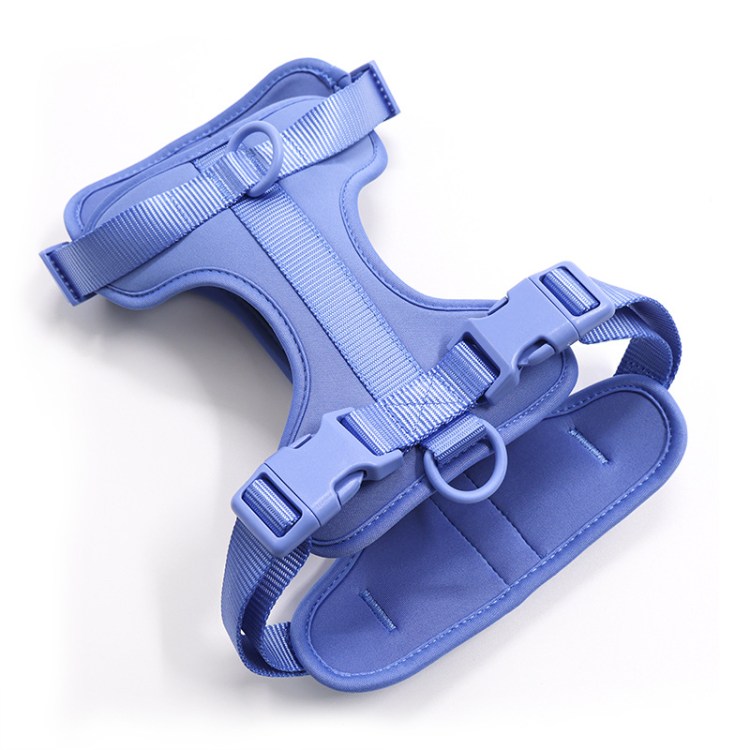
3. Neoprene
Advantages:
- Flexibility: Neoprene is flexible, allowing for easy movement.
- Water Resistance: Neoprene is excellent for water-resistant harnesses, suitable for dogs who love swimming.
- Comfort: It provides a cushioned fit that can enhance comfort during wear.
Shortcomings:
- Heat Retention: Neoprene can retain heat, which may not be ideal in hot weather.
- Cost: Neoprene can be more expensive compared to other fabric options.
4. Nylon
Advantages:
- Strength and Durability: Nylon is one of the strongest synthetic fabrics, making it resistant to tearing and fraying.
- Lightweight: It is lightweight, making it comfortable for dogs to wear during extended periods.
- Variety of Finishes: Nylon can be coated for added water resistance, enhancing its versatility.
Shortcomings:
- Comfort: Some nylon harnesses may irritate the skin if not properly lined or padded.
- UV Sensitivity: Prolonged exposure to sunlight can degrade nylon over time.
5. Velvet

Advantages:
- Aesthetic Appeal: Velvet adds a touch of luxury and elegance to dog harnesses, attracting pet owners looking for style.
- Softness: It is incredibly soft, providing exceptional comfort against the dog’s fur.
Shortcomings:
- Maintenance: It can be challenging to clean and may require special care.
- Durability: Velvet may not be as durable as other fabrics, particularly in outdoor or active use.
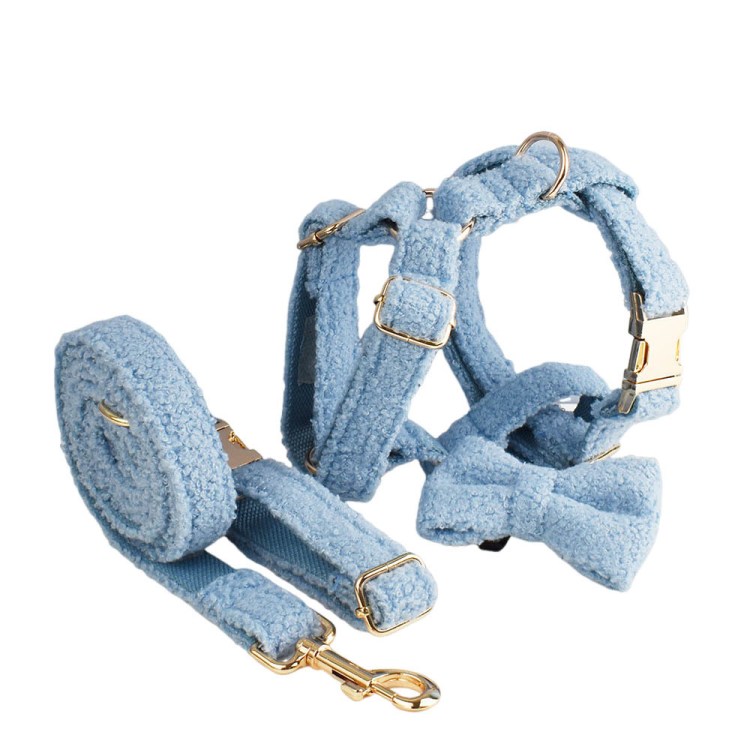
6. Sherpa Fleece
Advantages:
- Warmth: Sherpa fleece is ideal for colder climates, providing extra warmth for dogs.
- Softness: The fabric is soft and cozy, great for comfort-focused designs.
Shortcomings:
- Weight: Sherpa fleece can be heavier than other options, which may not be suitable for all dogs.
- Maintenance: It may require more frequent cleaning, especially if it gets dirty or absorbs odors.
7. Corduroy

Advantages:
- Unique Texture: Corduroy offers a distinctive texture that can enhance the aesthetic of dog harnesses.
- Warmth and Comfort: It is a warm fabric that can provide comfort during cooler weather.
Shortcomings:
- Maintenance: Similar to velvet, it may require special cleaning techniques.
- Durability: While corduroy can withstand some wear, it may not be as tough as nylon or polyester.
Other materials like pvc rubber and leather are also very popular in dog harnesses manufacturing. They are more commonly used in Y-shaped and H-shaped harnesses instead of vest harnesses for the material properties. We might talk about other materials in another article.
How Can I Make Harnesses with These Fabrics?
At Petkaa, we understand the importance of quality and design in producing dog harnesses. As a leading dog harness manufacturer, we offer a wide range of fabrics to choose from, ensuring that pet brands can find the perfect material to match their vision and requirements. Whether you’re looking for lightweight nylon for active dogs or plush velvet for a stylish look, Petkaa has you covered.
Our team is dedicated to helping pet brands turn their ideas into reality. We work collaboratively to design and manufacture harnesses that not only meet the specific needs of dog owners but also align with the latest trends in pet fashion. With our expertise and diverse fabric options, your brand can create harnesses that are both functional and aesthetically pleasing.
Contact us today to discuss your design specifications and explore how we can help you bring your dog harness ideas to life!


 Petkaa