
The pet industry has evolved, with owners increasingly viewing dogs as family, leading to a rise in dog fashion trends. This shift offers pet retailers opportunities for growth by providing stylish, high-quality products. Effective marketing, enhanced customer experiences, and staying updated on trends are crucial for success in this competitive market.
Tag Archives: pet business
Dog Fashion Trends: Boosting Pet Retail Success

The popularity of dog fashion is transforming pet retail, with the market projected to reach $7 billion in 2023. Key items include stylish clothing, accessories, and footwear, driven by the humanization of pets and social media influence. Retailers benefit from increased sales, brand differentiation, and customer loyalty by offering fashionable products.
The Popular Colors in the Pet Products Industry

The pet products industry has embraced a diverse range of colors, including muted pastels, vibrant jewel tones, classic neutrals, and bright colors, to capture consumer attention. These choices reflect trends, emotional connections, and brand identities crucial for market differentiation. Seasonal preferences also influence color trends, prompting businesses to customize products accordingly.
PVC Waterproof Dog Collars: The Next Big Trend

PVC waterproof dog collars are emerging as the next trending pet accessory due to their durability, style, and ease of maintenance. With over 45% of dog owners prioritizing waterproof materials, these collars suit active lifestyles. Pet businesses can enhance offerings through customization options, tapping into the growing demand for quality pet products.
Top Benefits of Waterproof Dog Leashes

Waterproof dog leashes offer numerous advantages for pet owners, including durability, enhanced grip, and protection against odors and bacteria. Their versatility suits various outdoor activities, while stylish designs enhance their appeal. Investing in a waterproof leash is a practical choice for maintaining control and hygiene while enjoying walks with dogs.
Why Dog Owners Should Use Silicone Slow Feeders

Silicone slow feeders promote healthy eating for dogs and cats by reducing fast eating risks like choking and bloating. They also enhance mental stimulation, preventing boredom and reducing anxiety. Easy to clean, durable, and non-toxic, these feeders ensure a hygienic feeding environment, supporting pets’ overall well-being and happiness.
Discover the New Pet Supplies Trend: Silicone Slow Feeders

Silicone slow feeders are becoming a popular trend in pet supplies, addressing the health risks of fast eating in pets. These feeders promote healthier eating habits through creative designs, are easy to clean, non-toxic, lightweight, and durable. Pet business owners are encouraged to stock these feeders to enhance customer offerings and support pet health.
How to Start a Successful Dog Supplies Shop: A Complete Guide for Entrepreneurs
Starting a successful dog supplies shop involves several key steps: conducting market research to understand customer preferences, creating a detailed business plan, choosing the right business structure, finding a specialized niche, sourcing reliable suppliers like Petkaa for quality products, setting up an appealing store, implementing effective marketing strategies, and providing exceptional customer service.
Essential Pet Supplies Every Business Owner Should Stock for Happy Customers
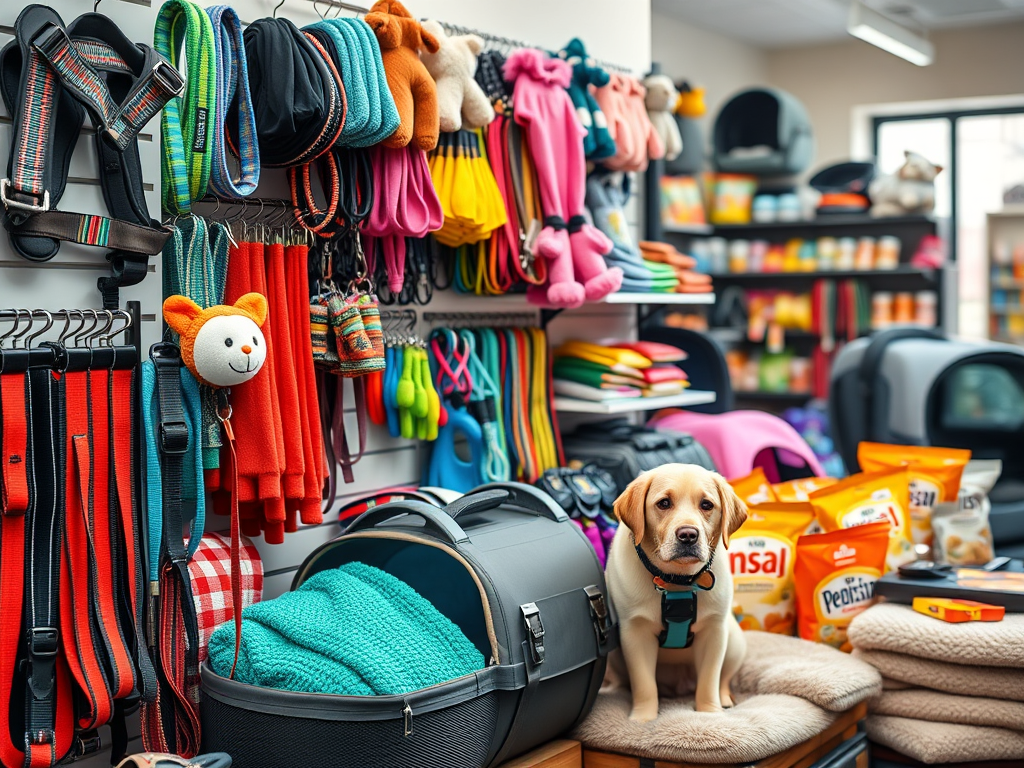
To ensure customer satisfaction and loyalty, pet store owners should stock essential supplies including dog harnesses, clothing, collars, leashes, toys, carriers, pet car seats, blankets, and snacks. By offering a diverse selection, businesses can meet various needs and preferences, ultimately enhancing the shopping experience and driving sales.
Six Tips to Elevate the Uniqueness of Your Pet Brand

To make your pet brand unique, understand your target audience’s needs, create exclusive product offerings, prioritize quality and innovation, and craft a compelling brand story. Engage with customers through social media and collaborate with influencers to enhance visibility. Building emotional connections fosters customer loyalty in a competitive market.
 Petkaa