
As pet owners increasingly seek durable, functional, and purpose-driven equipment, tactical dog harnesses, collars, and leashes have become a fast-growing category in the pet accessories market. Originally inspired by military and working-dog equipment, tactical pet gear is now widely used by service dog handlers, outdoor enthusiasts, professional trainers, and pet brands targeting performance-oriented consumers.
For pet brands sourcing from a tactical harness manufacturer or tactical harness supplier, understanding how tactical products differ from standard harnesses is essential when designing, positioning, and marketing a product line. This article explores what tactical pet accessories are, how they are constructed, and how they compare with normal pet harnesses in terms of usage, structure, materials, and target audience.
What Is a Tactical Dog Harness?
A tactical dog harness is a heavy-duty, multifunctional harness designed for control, durability, and performance under demanding conditions. Unlike fashion or everyday walking harnesses, tactical harnesses are engineered for activities such as training, hiking, working roles, and high-intensity outdoor use.
Key features often include reinforced webbing, multiple adjustment points, MOLLE (Modular Lightweight Load-carrying Equipment) panels, strong metal hardware, and top or front grab handles. These design elements make tactical harnesses suitable for both professional working dogs and active companion dogs.
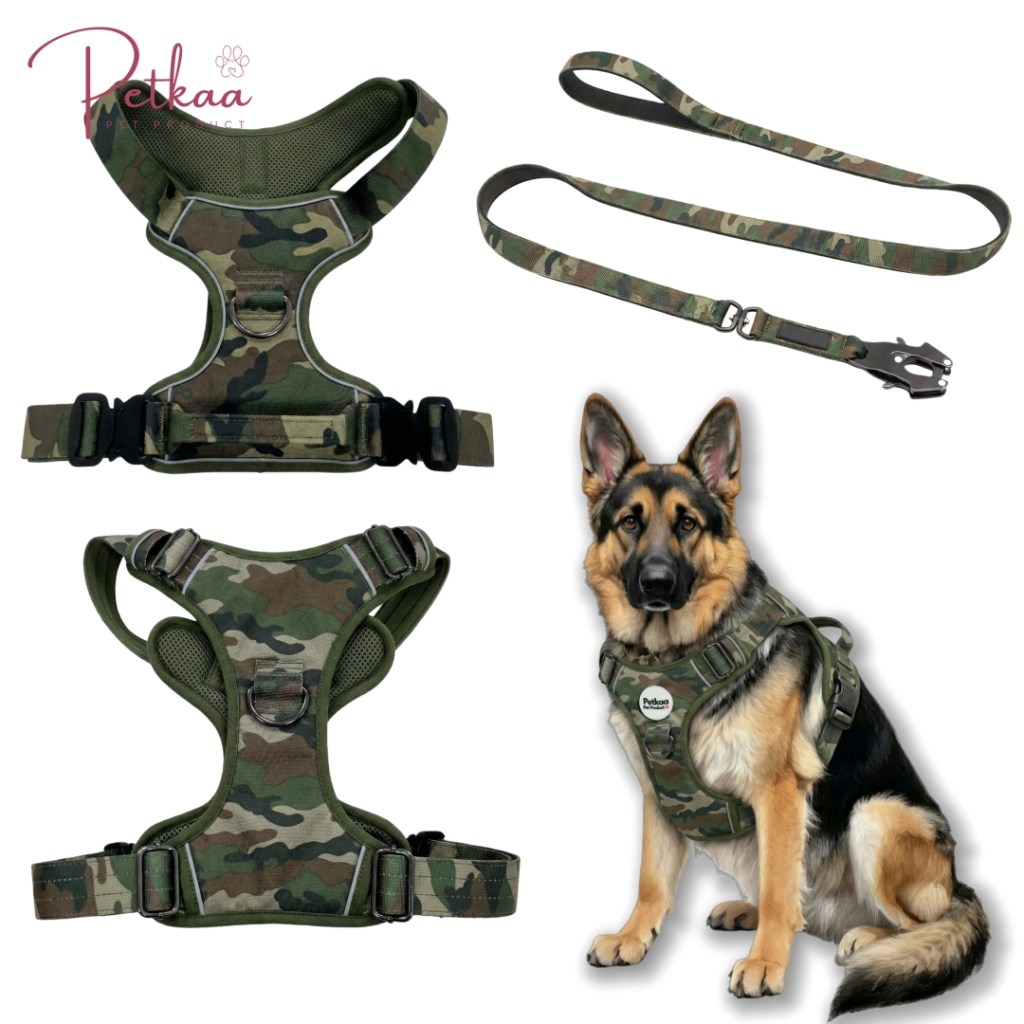
Tactical Dog Collars and Leashes: Built for Strength and Control
Tactical gear is not limited to harnesses alone. Tactical dog collars and leashes are equally important components of a complete tactical set.
A tactical collar is typically wider and thicker than a standard dog collar, often featuring:
- Reinforced nylon or webbing
- Heavy-duty metal D-rings
- Quick-release or military-style buckles
- Optional handle for close control
Tactical leashes are designed to match the strength of the harness and collar. They often use thick webbing, climbing-grade metal hooks, and reinforced stitching, making them ideal for training, large breeds, or strong pullers.
For pet brands, offering a coordinated tactical harness, collar, and leash set allows for consistent design language and higher perceived value.
Tactical Harness vs Normal Harness: Key Differences
Usage and Functionality
A normal dog harness is primarily designed for everyday walks and basic comfort. It focuses on reducing neck pressure and providing simple control for pet owners in urban or casual environments.
In contrast, a tactical dog harness is designed for high-intensity use. It supports activities such as obedience training, search and rescue, hiking, camping, and controlled handling of large or powerful dogs. Tactical harnesses often include attachment points for accessories, making them multifunctional rather than purely recreational.
Structure and Design
Standard harnesses usually feature a lightweight structure with minimal padding and one or two adjustment points. They prioritise ease of wear and aesthetics.
Tactical harnesses have a more complex structure. Common design elements include:
- Multiple adjustment straps for a precise fit
- Reinforced chest and back panels
- Load-bearing stitching
- Top and front control handles
- MOLLE panels for attaching pouches or ID patches
This structural complexity allows tactical harnesses to distribute pressure more evenly and maintain stability during movement.
Materials and Durability
Material choice is one of the most significant differences between tactical and normal pet harnesses.
Normal harnesses often use soft polyester, mesh, or lightweight nylon, prioritising comfort and appearance. While suitable for daily use, these materials may wear out faster under heavy strain.
Tactical harnesses, collars, and leashes are made from high-strength materials, such as:
- Heavy-duty nylon or military-grade webbing
- Reinforced stitching (often box-stitching)
- Zinc alloy or stainless-steel hardware
- Thick padding with abrasion-resistant surfaces
As a tactical harness manufacturer or supplier, material selection is critical to meeting performance expectations and safety standards.
Target Audience
The target audience for normal dog harnesses is broad, including everyday pet owners looking for comfort, style, and ease of use.
Tactical pet accessories appeal to a more specific market segment, including:
- Professional trainers and handlers
- Working dog units
- Outdoor and adventure pet owners
- Owners of large or high-energy breeds
- Consumers seeking rugged, performance-driven gear
From a B2B perspective, tactical products allow pet brands to position themselves in a premium or specialised niche, often with higher price points and stronger brand differentiation.
Why Tactical Pet Accessories Are a Growing Trend
The popularity of tactical dog gear continues to rise due to increasing interest in outdoor lifestyles, functional design, and working-dog aesthetics. Many consumers are drawn to the rugged look combined with practical benefits such as control, safety, and durability.
For pet brands, tactical harnesses and matching accessories offer opportunities for:
- Brand storytelling around performance and reliability
- Product line extensions into training or outdoor categories
- Customisation options such as colourways, patches, and hardware finishes
Working with a Tactical Harness Manufacturer
Choosing the right tactical harness supplier or tactical harness manufacturer is essential for brands entering this category. A reliable manufacturing partner should offer:
- Experience with heavy-duty materials and reinforced construction
- Flexible OEM and ODM capabilities
- Low MOQ options for brand testing or small launches
- Customisation of size, structure, materials, and branding
- Consistent quality control for safety-critical products
Well-designed tactical pet accessories require more than aesthetics—they demand engineering, testing, and production expertise.
Final Thoughts
Tactical dog harnesses, collars, and leashes represent a functional and fast-growing segment within the pet accessories industry. Compared to normal harnesses, tactical products stand out in usage, structure, materials, and target audience, offering superior durability and control for demanding environments.
For pet brands looking to expand into performance-oriented categories, partnering with an experienced tactical harness manufacturer can help turn innovative concepts into reliable, market-ready products. With the right design and manufacturing support, tactical pet accessories can become a strong pillar of a modern, differentiated pet brand portfolio.


- Custom Embroidered Dog Harness: How We Help Brands Go from Idea to ProductionThis case study highlights the journey of an emerging pet brand transforming a simple concept into a premium embroidered dog harness. It emphasizes the importance of selecting the right manufacturing partner to navigate challenges from design to production, including material selection and minimizing order quantities, ultimately delivering a unique, market-ready product.
- Embroidered Dog Harness: The Next Big Trend in Custom Pet AccessoriesThe pet industry is evolving towards customization, with embroidered dog harnesses becoming a prominent trend. This shift reflects consumer demand for aesthetic and quality-driven products, as embroidery offers durability and visual appeal. Brands can differentiate themselves and enhance perceived value by transitioning from printed to embroidered designs, despite challenges like high minimum order quantities.
- Plaid Dog Harness: Why Classic Patterns Are Back in Pet FashionPet fashion has transformed from basic functionality to stylish expressions of identity, with plaid re-emerging as a significant trend in 2026. This timeless pattern resonates with consumers seeking thoughtful design and emotional connection. Pet brands can leverage plaid for cohesive collections, customization, and effective manufacturing to meet modern market demands and enhance brand loyalty.
 Petkaa